

Foz do Iguaçu, a captivating city nestled on the border of Brazil, Argentina, and Paraguay, is renowned for its awe-inspiring Iguazu Falls. However, beyond the thundering cascades, this region boasts a rich and diverse ecosystem, teeming with fascinating wildlife.
Many travelers come for the falls, however, many leave surprised by the biodiversity around them.
Representative Fauna and Flora
Iguaçu National Park, a UNESCO World Heritage Site, preserves a significant area of Atlantic Forest with rivers, dense vegetation, and high biodiversity. This landscape supports mammals, birds, reptiles, insects, and native plant life, making it a strong destination for nature lovers, birdwatchers, and photographers.
Wildlife in Foz do Iguaçu: Fauna
Beyond the waterfalls, Iguaçu National Park shelters a rich variety of wildlife. Visitors frequently see some species, while others remain elusive and are better known through their calls, tracks, or ecological importance.
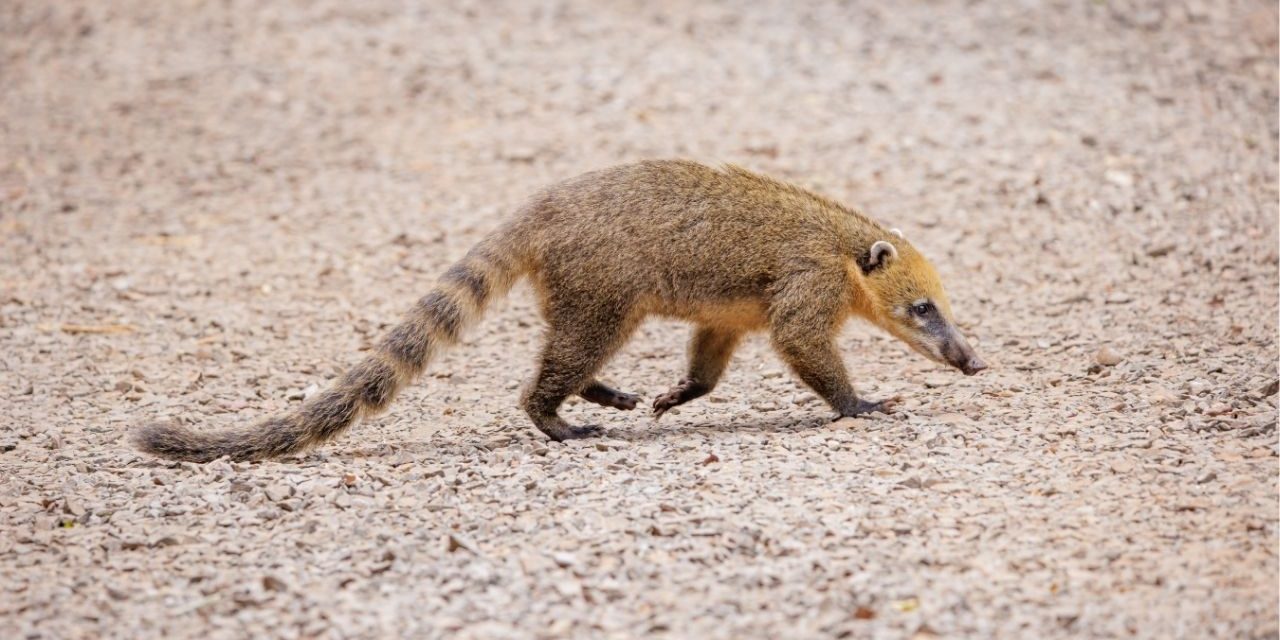
- Coati: One of the most frequently seen mammals in Iguaçu National Park, coatis are curious and highly adaptable animals. With long snouts and ringed tails, they search for fruit, insects, and small prey along trails and forest edges.
- Capuchin Monkey: Visitors often spot capuchin monkeys near visitor areas and forest paths. Known for their intelligence and dexterity, they move quickly through the trees and sometimes forage on the ground.
- Jaguar: Rarely seen and naturally elusive, the jaguar remains one of the most important predators of the Atlantic Forest and a powerful symbol of conservation in Iguaçu National Park.


- Toucan: Toucans are among the most recognizable birds of the region. Their large colorful bills and unmistakable silhouette make them a highlight for birdwatchers and photographers.
- Plush-crested Jay: This striking blue-and-black bird with a raised crest is one of the region’s most charismatic species. Loud, social, and active, it is often easier to spot than many forest birds.
- Great Dusky Swift: One of the signature species of Iguazu Falls, these swifts are known for flying close to the waterfalls and nesting on moist rock surfaces behind or beside the cascades.


- Butterflies: Iguaçu National Park hosts remarkable butterfly diversity, with hundreds of recorded species. On warm and sunny days, many species can be seen along walkways, viewpoints, and forest paths.


Biodiversity in Foz do Iguaçu: Flora
The forests around Foz do Iguaçu are just as impressive as their wildlife. Iguaçu National Park is a botanical treasure trove, boasting a diverse array of plant species. Some of the most notable include:
- Juçara Palm: A key species of the Atlantic Forest, the juçara palm provides fruit for many birds and mammals and holds culinary importance in Brazil, where its heart of palm was long valued as a delicacy. Past overharvesting severely reduced natural populations, making protected forests such as Iguaçu National Park especially important today.
- Native Fig Trees: Fig trees play an important ecological role in tropical forests because they can fruit at different times of year, providing food for birds, monkeys, and many other animals when other resources are scarce.
- Paraná Pine: A symbol of southern Brazil, the Paraná pine stands out for its distinctive umbrella-shaped crown. It occurs in cooler forest zones and remains one of the most recognizable native trees of the wider region.


- Bromeliads: Bromeliads are a natural part of Iguaçu National Park and one of the plants that give the forest its lush character. Many species grow on trunks and branches, helping create the layered look of the Atlantic Forest.
- Orchids: Iguaçu National Park protects a notable diversity of native orchids, including epiphytic species that grow on trees and terrestrial species rooted in the forest floor. They are a major attraction for botanical travelers and nature photographers.
- Heliconia: Heliconias stand out for their sculptural flowers and strong colors. They are also popular ornamental plants. Their nectar helps attract hummingbirds and insects, making them an active part of the forest’s pollination cycle.


Conservation and Responsible Tourism
Iguaçu National Park plays a vital role in protecting one of the largest remaining forest areas in this part of the Atlantic Forest. Its protected landscape helps conserve native plant life. In addition, it supports threatened species, and preserves an ecosystem that extends beyond the waterfalls themselves.
Responsible tourism is also essential to the visitor experience. Staying on marked paths, respecting wildlife distance, and never feeding animals help protect the park for future generations.
For travelers interested in Brazil’s natural heritage, Foz do Iguaçu pairs beautifully with other protected landscapes across the country. Read our guide to the best national parks of Brazil.
Visiting the falls is unforgettable. At the same time, understanding the forest around them makes the journey even richer.
Ready to plan your journey with BrazilGreenTravel?
Talk to us here. You can also reach us at ct@brazilgreentravel.com or +1 877 442 2935.