

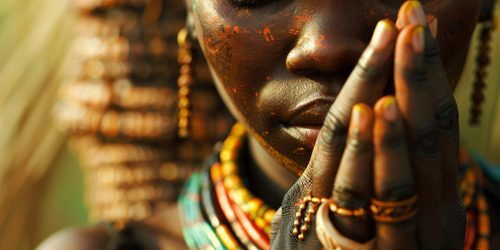
In this article you will discover how the African influence in Brazil shaped music, religion, gastronomy and daily life across the country.
The history of Brazil is deeply marked by the African influence. Today, this legacy appears in almost every aspect of daily life in this diverse South American country. Since the arrival of the first enslaved Africans in Brazilian territory in the 16th century, African culture has left an indelible mark on Brazil. As a result, music, dance, religion, gastronomy and language shaped much of what we know as Brazil’s culture. Today, with BrazilGreenTravel, we will tell you more about the African influence in Brazil.
Rhythms and traditions
The African influence on Brazilian culture is evident in its music and dancing. For example, genres like samba, axé, and maracatu highlight how African rhythms have shaped the musical identity of Brazil. Samba is a national symbol and central to Carnival. Its roots come from rhythms of enslaved Africans, blended with European and indigenous influences. Additionally, capoeira combines martial art, dance and music. It was created by enslaved Africans and symbolizes Afro-Brazilian resilience and creativity, and is recognized worldwide.
Religion
The African influence on Brazilian religion is significant, with practices such as candomblé and umbanda reflecting this heritage. Candomblé, which venerates orixás (African deities) through rituals of music and dance, keeps African spiritual connections alive in Brazil. Umbanda, emerging in the early 20th century, blends elements of candomblé, spiritism, and Catholicism, offering an inclusive view that reflects Brazil’s spiritual diversity. Both religions stand out for their syncretism and respect for African traditions.
 Gastronomy and flavors
Brazilian gastronomy notably reflects the African influence. Dishes like acarajé and vatapá showcase how African ingredients and techniques have been integrated into local cuisine. Acarajé is a deep fried black bean ball with shrimp and a Yoruba specialty in Bahia. Vatapá is a creamy stew made with bread, shrimp and coconut milk that reflects African flavors in Brazilian cuisine.
Words and expressions
The Brazilian language has also been enriched by African influence. Although Portuguese is the official language, many African-origin words have been incorporated into everyday vocabulary. Words like “axé” (positive energy or blessing), “berimbau” (a musical instrument), and “quilombo” (community of escaped enslaved people) are just a few examples of how Portuguese in Brazil has been shaped by African languages. This linguistic exchange is another testament to the deep connection between Africa and Brazil.
Cultural expressions
In the visual arts, African influence manifests in various forms. Masks, sculptures, and paintings that reflect African themes and aesthetics are common in Brazilian culture. These artworks not only celebrate African heritage but also serve as a reminder of the struggles and resistances of Africans and their descendants in Brazil throughout the centuries.
The African influence on Brazilian culture is vast and multifaceted, encompassing everything from music and dancing to religion, gastronomy, and language. This heritage has shaped what we now recognize as Brazil culture and traditions, enriching the country’s cultural fabric and providing a sense of identity and belonging for millions of Brazilians. The blend of cultures defining Brazil is a reminder of the power of diversity and how African traditions have contributed essential elements to the development of a unique and vibrant culture.
Where to experience Afro-Brazilian heritage in person
Travelers interested in the African influence in Brazil can explore meaningful historical routes through our AfroTours in Rio de Janeiro and Salvador.
Afro heritage routes in Rio de Janeiro
In Rio, the port region holds essential sites of African history. Guided visits explore the area known as Little Africa, where millions of enslaved Africans arrived during the colonial era. The tour offer a deeper introduction to local heritage and help explain how the city grew around systems of forced labor and cultural resilience.
Afro-centered experiences in Salvador
Bahia offers the strongest sense of Afro-Brazilian identity in the country. Guided walks in the historic center of its capital, Salvador, reveal stories of architecture, resistance movements and contemporary Black culture. Visitors often explore markets, percussion workshops and capoeira schools that show how music, food and spirituality developed in Bahia. These experiences help travelers understand how African traditions shaped local life.
You can also read more about Bahia’s cultural heritage in our post Why Choose Bahia as a Tourist Destination, where we also share additional context about Afro-centered experiences available in Salvador.
The African influence in Brazil is profound and multifaceted
If you want to explore Brazil through the lens of Afro-Brazilian heritage, our team can help plan a journey that respects local history and traditions.
Ready to plan your journey? Contact us at info@brazilgreentravel.com or +1 877 442 2935.