

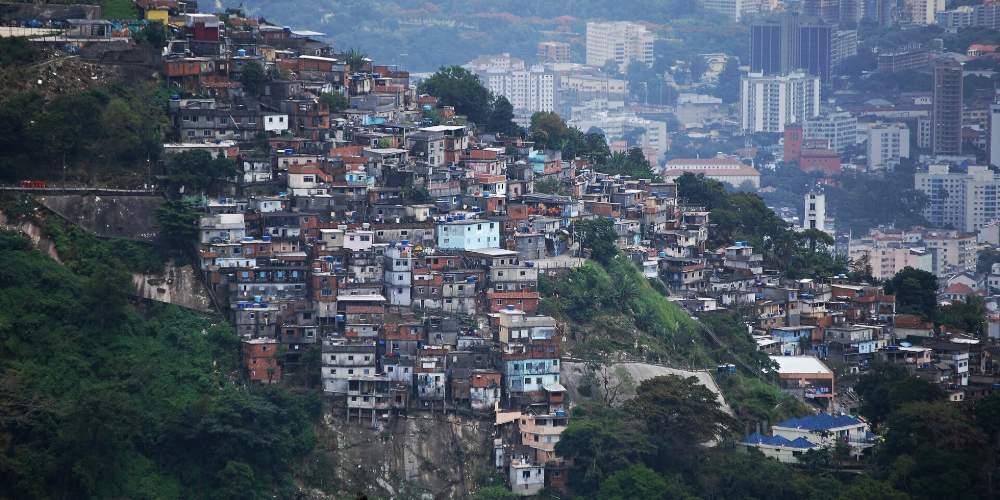
Rio de Janeiro is not only beaches, mountains and samba. Around one in five cariocas live in a favela, and these hillside neighborhoods are home to much of the city’s music, art and community life. Visiting a Rio favela can be one of the most meaningful experiences of your trip, as long as you do it with respect, with a local guide and in a way that benefits the people who live there.
In this article from BrazilGreenTravel, you will learn what favelas are, how to tell responsible tourism from “poverty tourism”, which communities are worth knowing and what to keep in mind before you go.
What are favelas? A short history of Rio’s communities
Favelas are urban communities that grew on hillsides and other land the city left empty, usually built by residents themselves with little or no support from the government. The first one is often said to be Morro da Providência, settled at the end of the 19th century by soldiers who returned from the Canudos war and were never given the housing they had been promised. The name comes from the favela, a hardy plant that grew on the hills where they camped.
Throughout the 20th century, millions of Brazilians moved to Rio looking for work, and favelas became the only affordable place to live close to jobs in the city center and the South Zone. Today, Brazil’s census bureau officially calls them favelas e comunidades urbanas. They are very diverse: some have tidy streets, shops, schools and small guesthouses, while others still lack basic services. What they share is a strong sense of community and a huge cultural influence on the city, from funk carioca and samba schools to street art and cuisine.
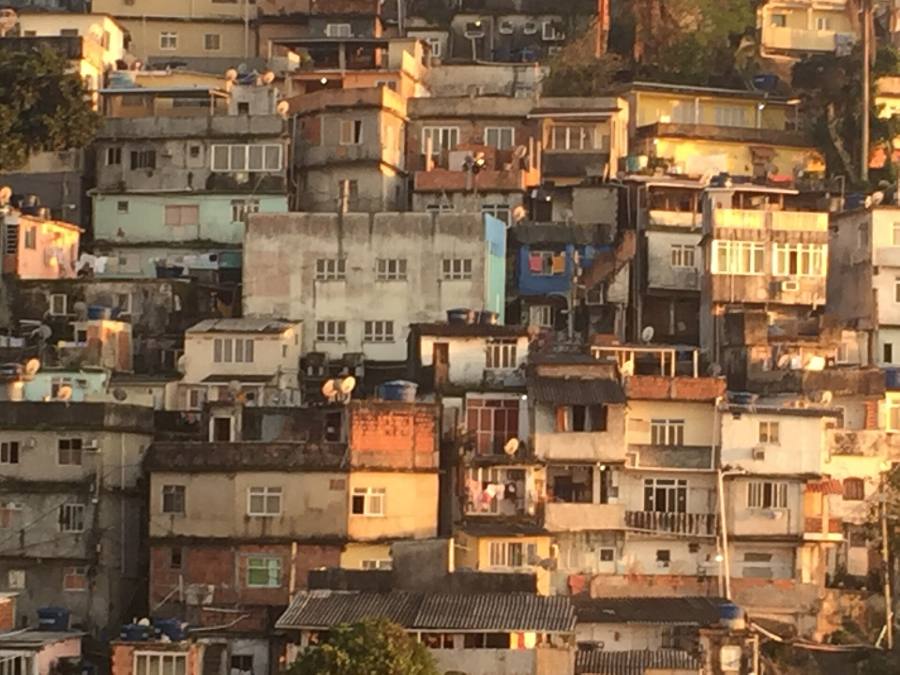
Is it ethical to visit a favela? Responsible tourism vs. poverty tourism
This is a fair question, and many travelers ask it. The answer depends on how you visit. Jeep tours that drive through a community so visitors can take pictures from the window treat residents as an attraction, and very little of the money stays in the favela. That is what is often called poverty tourism.
Responsible tourism works the other way around. It is led by people from the community, it focuses on culture, history and everyday life, and it leaves income in local hands: in the guide’s pocket, at the family-run restaurant, in the art studio or at the social project you visit. Done this way, the visit becomes an exchange, not a show. If you want to dig deeper into this approach, read our article on the best practices for community-based tourism.
Community-led tours: how to choose one that benefits residents
Before booking a favela tour in Rio, ask a few simple questions:
- Who is the guide? Choose tours run by residents or by local associations. They know every street and are the best people to tell their own story.
- Where does the money go? Good tours explain how much stays in the community and often include a stop at a social project, a school or a cultural center.
- How many people are in the group? Small groups walking on foot feel much more natural for residents than large groups or vehicles.
- What will you do? Look for experiences built around music, art, food or history, with time to talk to people, not just to take photos.
Favelas worth knowing: Rocinha, Santa Marta, Vidigal and Babilônia
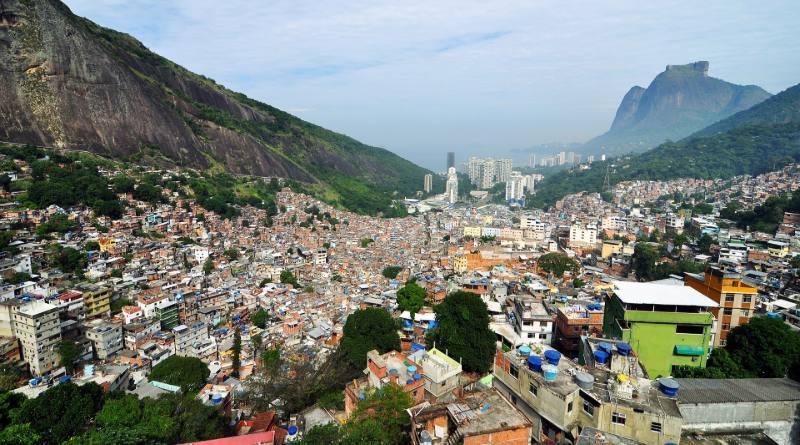
Rocinha. Between São Conrado and Gávea, Rocinha is the largest favela in Brazil, a city within the city with its own commerce, banks and bus lines. Walking up its main road with a local guide gives you a real sense of its scale and energy.
Santa Marta. Located in Botafogo, Santa Marta became famous worldwide when Michael Jackson filmed a music video there in 1996. Today, an inclined tram (plano inclinado) takes visitors up the hill, where a colorful square and a lookout offer a beautiful view of the Sugarloaf and Christ the Redeemer.
Vidigal. Overlooking Leblon and Ipanema, Vidigal is the starting point of the Dois Irmãos trail, one of the best hikes in the city. Local moto-taxis or vans take you to the trailhead, and at the top you get one of the most spectacular views in Rio. Discover more lookouts in our article on the best viewpoints in Rio de Janeiro.
Babilônia. Above Leme beach, the Babilônia and Chapéu Mangueira communities are known for their reforestation projects, eco-hikes and small restaurants with views over Copacabana. It is a great example of how tourism and environmental care can go hand in hand.
Safety tips and etiquette for visitors
- Always go with a local guide and follow their lead. They know which streets to use and how to move around respectfully.
- Check the situation before your visit. Things can change quickly in Rio, and a good guide will reschedule if needed.
- Ask before taking pictures of people, and never photograph armed people or police operations.
- Dress simply and leave valuables at the hotel. Bring some cash to buy art, snacks or a drink from local businesses.
- Be curious and kind. Greet people, ask questions and remember that you are walking through someone’s neighborhood.

How Brazil Green Travel includes community-based experiences in Rio
At BrazilGreenTravel, we believe the best way to understand Brazil is by meeting its people. That is why our tailor-made trips to Brazil can include community-based experiences in Rio, always with trusted local partners, in small groups and with a fair share of the income staying in the community. You can combine them with the city’s classic sights; take a look at our Rio de Janeiro destination page for ideas, and read more about community-based experiences across Brazil.
FAQ about visiting a favela in Rio
Is it safe to visit a favela in Rio de Janeiro?
Visiting a favela with a resident guide or a trusted local operator is generally safe, and thousands of travelers do it every year. The key is not to go alone, to follow your guide’s instructions and to check the current situation before the visit.
Which is the best favela to visit in Rio?
It depends on what you are looking for. Rocinha shows the size and energy of Rio’s communities, Santa Marta is great for views and history, Vidigal is perfect for hiking, and Babilônia is ideal if you are interested in eco-tourism.
How much does a favela tour cost?
Prices vary depending on the length of the tour and the group size. Private tours with a local guide cost more, but they offer a more personal experience and more flexibility.
A respectful visit to a Rio favela shows you a side of the city that most travelers never see: its creativity, its resilience and the warmth of its people. Go with an open mind, choose the right guide, and you will come back with a much deeper understanding of Rio de Janeiro.
Ready to plan your journey with BrazilGreenTravel?
Talk to us here. You can also reach us at ct@brazilgreentravel.com or +1 877 442 2935.
For more travel inspiration and behind-the-scenes moments across Brazil, follow BrazilGreenTravel on Instagram.
Photo credits: Pavel Špindler (CC BY 3.0), PLBechly (CC BY-SA 4.0), Chensiyuan (CC BY-SA 4.0) and Wilfredor (CC0), via Wikimedia Commons.