

Picture a Christmas Eve with no snow, no fireplace and no heavy coats. Instead, there are warm evenings, beaches still busy at sunset, and families gathering around a long table well past midnight. This is Christmas in Brazil: a celebration that keeps many European customs but lives them in the middle of the southern summer. The result is something familiar and surprising at the same time.
In this article from BrazilGreenTravel, you will discover the most loved Brazilian Christmas traditions, what people eat at the ceia de Natal, and the best places to spend the holidays, from Rio de Janeiro to the mountains of southern Brazil.
How Brazilians celebrate Christmas (Natal) in summer
In Brazil, Christmas is called Natal, and it is one of the most important dates of the year. December 25 is a national holiday, but the real celebration happens the night before. On Christmas Eve, families come together for a late dinner, exchange gifts and toast at midnight. For many Brazilians, it is the moment of the year when relatives who live far apart finally share the same table.
Because December is the beginning of summer, the atmosphere is very different from a northern Christmas. Cities fill with lights and decorated trees, but also with people walking along the waterfront, eating ice cream and enjoying the long days. Schools are on summer break, many companies slow down, and the period between Christmas and New Year’s Eve becomes a time to travel, rest and visit family.
Faith also plays a central role. Brazil has a large Catholic population, and for many families the religious meaning of Natal remains at the heart of the celebration, even as it blends with more modern and secular customs.
Brazilian Christmas traditions: Papai Noel, the presépio and Missa do Galo
Many Brazilian Christmas traditions arrived with the Portuguese and other European immigrants, and over time each region gave them its own touch.
Papai Noel. Santa Claus is known in Brazil as Papai Noel. He wears the same red suit and white beard as in colder countries, which can be quite a challenge under the tropical sun. In shopping malls and city squares, children line up to meet him, and many arrive by unusual means: by boat, by helicopter or even on a raft. For decades, the Brazilian post office has run the Papai Noel dos Correios campaign, in which people “adopt” letters written by children in need and make their Christmas wishes come true.
The presépio. The nativity scene is one of the oldest Christmas traditions in Brazil. Families set up a small presépio at home, and churches and squares display larger ones, some with life-size figures. In the Northeast, nativity scenes are often handmade by local artisans using clay, wood and other regional materials, turning them into a beautiful expression of popular art.
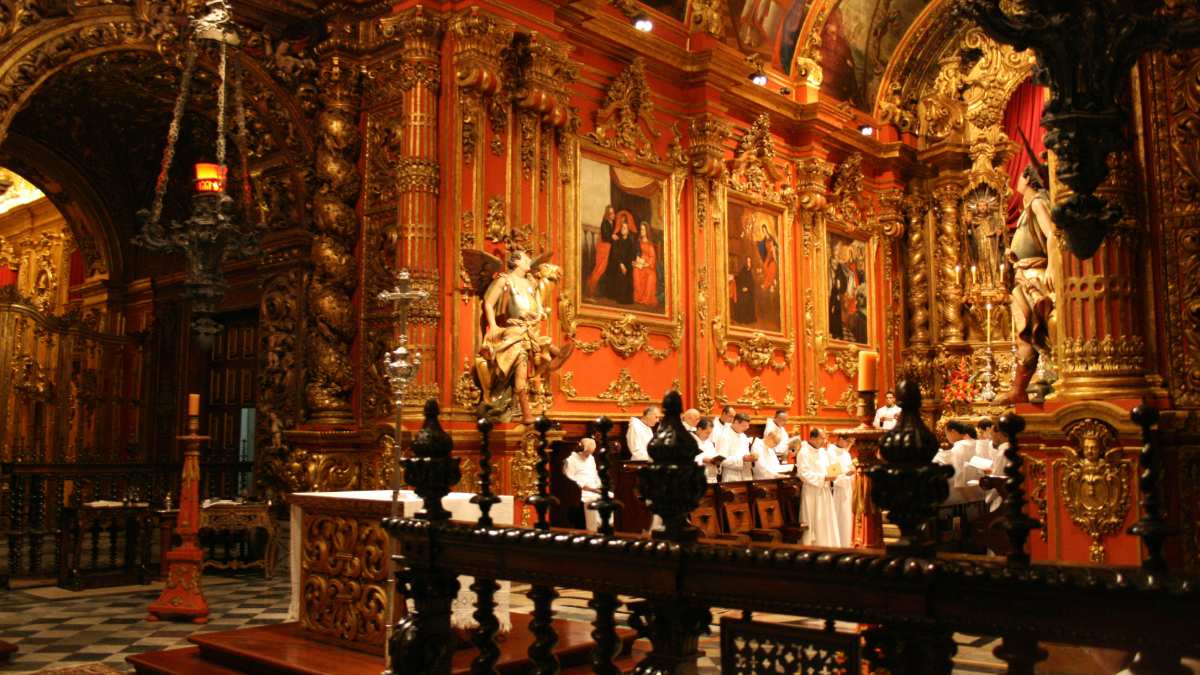
Missa do Galo. The “Rooster’s Mass” is the midnight mass celebrated on Christmas Eve. According to tradition, the name comes from the idea that a rooster was the first to announce the birth of Jesus. Even today, many families attend the Missa do Galo before or after dinner, and historic churches such as the São Bento Monastery in Rio de Janeiro fill with music and candlelight.
Amigo secreto. Brazilians love a good game of secret Santa, known as amigo secreto or amigo oculto. Friends, coworkers and families draw names weeks in advance, and the gift exchange often comes with a fun ritual: each person describes their secret friend with clues until someone guesses who it is.
If you would like to discover more customs that shape everyday life in the country, read our article on Brazilian cultural traditions you should know.
What Brazilians eat at Christmas: the ceia de Natal
The ceia de Natal, or Christmas Eve dinner, is the highlight of the celebration. It is usually served late, often close to midnight, and it is all about abundance. Tables are generous and colorful, and recipes are passed down from one generation to the next.
Christmas food in Brazil reflects the country’s Portuguese heritage, adapted with local ingredients and a warm-weather twist. Some dishes you are likely to find include:
- Roast turkey or pork: a glazed turkey, a roasted pork leg (pernil) or a Christmas ham is usually the centerpiece of the table.
- Bacalhau: salted cod, prepared in the oven with potatoes, olive oil and olives, is a direct inheritance from Portugal.
- Farofa: toasted cassava flour with butter, onion, bacon or dried fruits. No Brazilian celebration feels complete without it.
- Arroz à grega and salpicão: a colorful rice with vegetables and raisins, and a creamy chicken salad. Both are fresh options that suit the summer heat.
- Rabanada: slices of bread soaked in milk, fried and sprinkled with sugar and cinnamon. It is the most traditional Brazilian Christmas dessert.
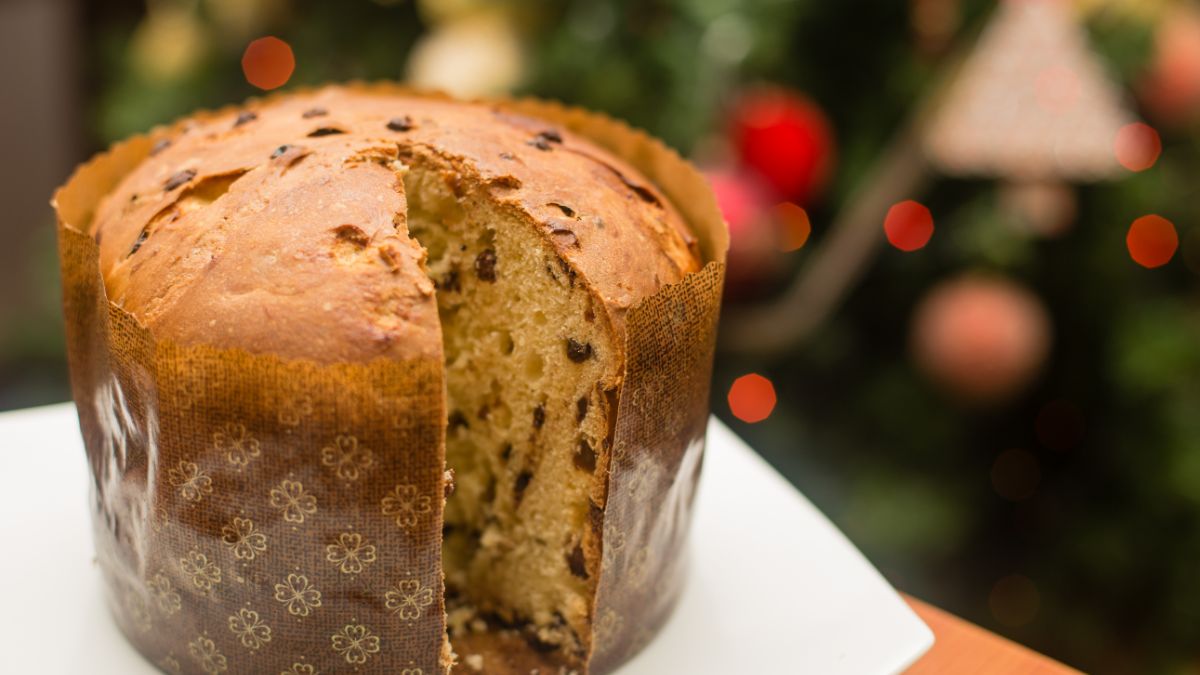
- Panetone: the Italian sweet bread became a national favorite, and every December supermarkets fill with panetone and its chocolate version, the chocotone.
Tropical fruits, nuts and dried fruits complete the table. And there is one ingredient that sparks a friendly debate every year: raisins. Some Brazilians love them in rice and farofa, while others refuse to eat anything that contains them. On December 25, the celebration continues with a relaxed family lunch, often made with what is left from the night before. If you want to keep exploring the local cuisine, take a look at our guide to the most popular Brazilian snacks.
Where to spend Christmas in Brazil: Rio, Gramado, Salvador and Natal
Every region celebrates Natal in its own way. These are four destinations where the Christmas spirit is especially easy to feel.
Christmas in Rio de Janeiro
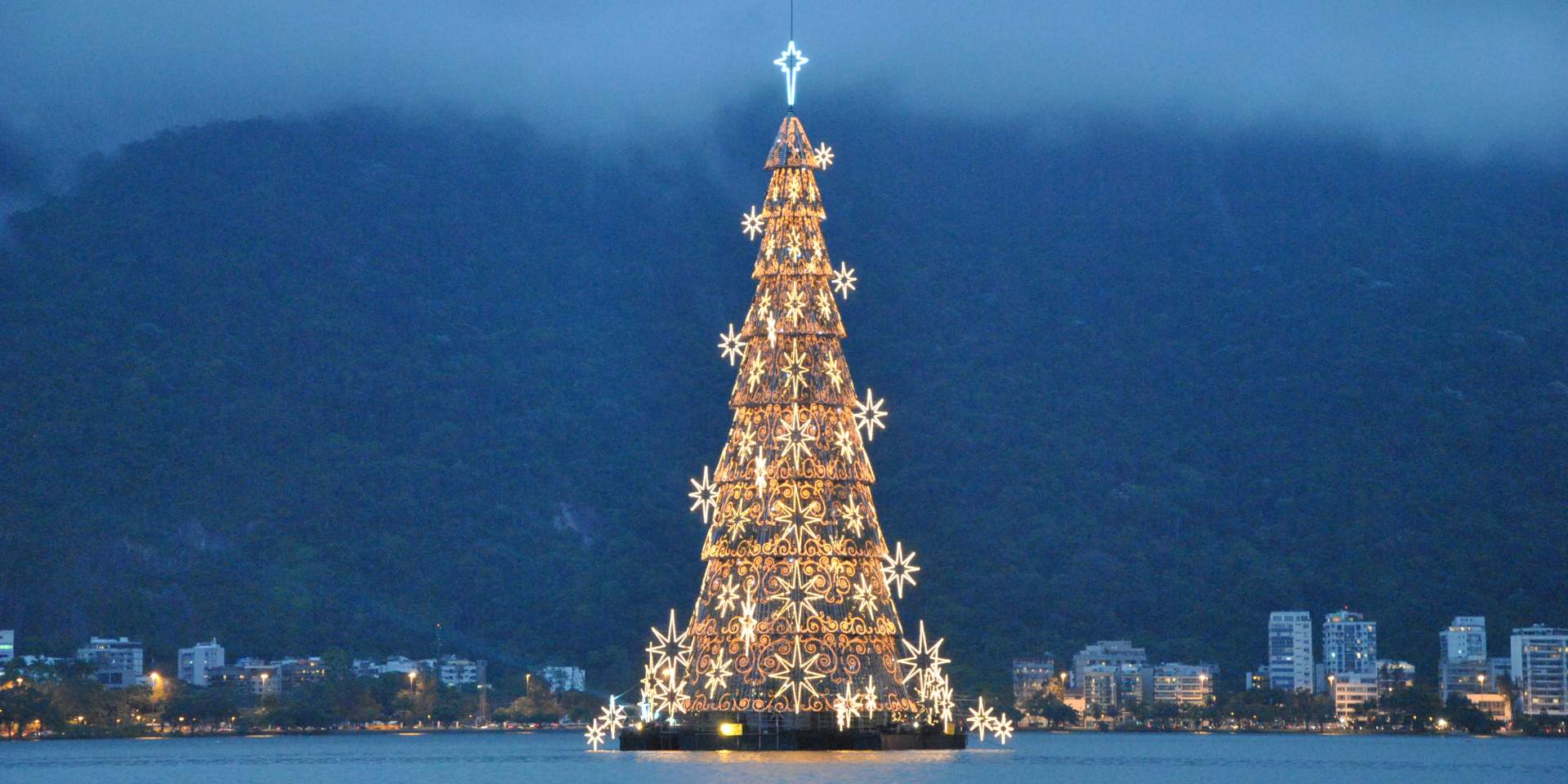
Christmas in Rio de Janeiro is a mix of lights, sea and mountains. The city’s most famous symbol of the season is the floating Christmas tree of Lagoa Rodrigo de Freitas, a giant illuminated structure set on the water and surrounded by hills. After six years away, it returned to its floating format in 2025, with 60 meters of height and around 900,000 lights. Locals and visitors gather around the lagoon every evening to see it reflected on the water.
Beyond the tree, the days can be spent on the beach, walking through Santa Teresa or enjoying the views from the city’s viewpoints. And since Christmas is followed by the world’s largest New Year’s Eve party in Copacabana, Rio is a perfect base for the whole holiday season. Discover more about the city on our Rio de Janeiro destination page.
Gramado and the Natal Luz
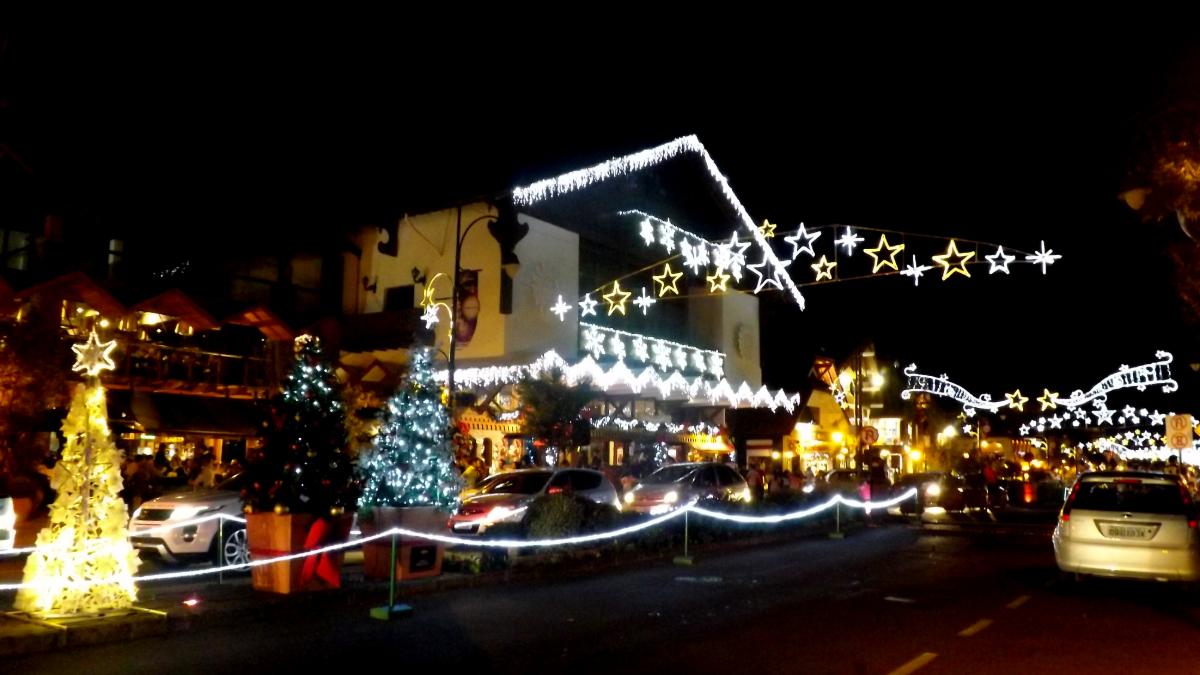
For a Christmas that feels closer to a European postcard, Gramado is the place to go. Located in the Serra Gaúcha, in Rio Grande do Sul, this mountain town was shaped by German and Italian immigrants, and its architecture, chocolate shops and cooler climate create a cozy atmosphere even in December.
Every year, Gramado hosts the Natal Luz, one of the largest Christmas festivals in Brazil. The 2026 edition runs from October 22, 2026 to January 17, 2027, with parades, light shows, concerts and nativity performances on the lake. Tickets for the main shows usually sell out, so it is worth planning ahead.
Salvador
In Salvador, Christmas comes with the rhythm of Bahia. Historic squares and churches are decorated, the waterfront fills with lights, and the city’s Afro-Brazilian heritage brings music and color to the season. It is a great option for travelers who want to combine culture, beaches and warm weather. Learn more about the region in our article Why choose Bahia as a tourist destination.
Natal
It would be hard to make a list about Christmas in Brazil without the city whose name means “Christmas”. Natal, the capital of Rio Grande do Norte, was founded on December 25, 1599, and the date is still celebrated with special events. Its year-round sun, golden dunes and warm sea make it ideal for those who prefer to spend the holidays in flip-flops.
From Christmas to Réveillon: planning a holiday trip to Brazil
In Brazil, Christmas is only the first chapter of the holiday season. Just one week later comes Réveillon, the New Year’s Eve celebration, when millions of people dress in white, jump seven waves and offer flowers to Yemanjá. Combining both celebrations in the same trip is one of the best ways to experience the country at its most festive.
A good plan is to spend Christmas in a calmer setting, such as Gramado, the Amazon or a quiet beach in Bahia, and then travel to Rio de Janeiro or Foz do Iguaçu for New Year’s Eve. Read our article on Réveillon in Brazil to discover how the new year is celebrated across the country.
At BrazilGreenTravel, we design private and tailor-made itineraries for the holiday season, combining exclusive stays, local experiences and smooth logistics between destinations. If you are looking for something more special, take a look at our luxury retreats.
FAQ about Christmas in Brazil: weather, prices and booking ahead
What is the weather like at Christmas in Brazil?
December is summer in Brazil. In Rio de Janeiro, Salvador and Natal, temperatures are usually between 25°C and 35°C (77°F to 95°F), with short tropical showers in some afternoons. In the mountains of the south, such as Gramado, days are pleasant and nights can be cool, so bring a light jacket.
Is Christmas a public holiday in Brazil?
Yes. December 25 is a national holiday. Many shops close early on December 24 and stay closed on Christmas Day, although restaurants in tourist areas and hotels usually remain open.
Is it expensive to travel to Brazil in December?
The period between Christmas and Carnival is high season. Flights, hotels and experiences are in high demand, especially in Rio de Janeiro, Gramado and the most popular beach destinations. Booking several months in advance helps you secure the best options.
When should I book a Christmas trip to Brazil?
Ideally, start planning between six and nine months before your trip, especially if you want to combine Christmas and New Year’s Eve or stay in iconic hotels. To find out the best moment for each destination, read our guide to the best season to visit each destination in Brazil.
Christmas in Brazil is a celebration of family, faith and togetherness, lived under the summer sun. Whether you choose the lights of Rio, the charm of Gramado or the beaches of the Northeast, spending Natal in Brazil is a unique way to discover the warmth of its people and end the year with unforgettable memories.
Ready to plan your journey with BrazilGreenTravel?
Talk to us here. You can also reach us at ct@brazilgreentravel.com or +1 877 442 2935.
For more travel inspiration and behind-the-scenes moments across Brazil, follow BrazilGreenTravel on Instagram.
Photo credits: Leandro Neumann Ciuffo (CC BY 2.0), Halley Pacheco de Oliveira (CC BY-SA 3.0), Nicola from Fiumicino (CC BY 2.0) and Larissa Fraga (CC BY 3.0), via Wikimedia Commons.