

Sand streets, giant dunes, turquoise lagoons and some of the most beautiful sunsets in the country. Jericoacoara, or simply “Jeri”, is a small village on the coast of Ceará that has become one of the most loved destinations in Northeast Brazil. Once a remote fishing community, it is today a paradise for kitesurfers, nature lovers and travelers looking for a relaxed, barefoot atmosphere.
In this Jericoacoara travel guide from BrazilGreenTravel, you will discover how to get there, the best time to visit, the top things to do and how to combine Jeri with other wonders of the region.
Where is Jericoacoara and how to get there
Jericoacoara, Brazil, is located on the northwest coast of the state of Ceará, about 300 km (186 miles) from Fortaleza. The village sits inside a national park, surrounded by dunes, so the final part of the journey is always an adventure.
- By plane: the closest option is Jericoacoara Airport (JJD), in the town of Cruz, about 40 minutes away. Most travelers, however, fly into Fortaleza, which has more international and domestic connections.
- By road: from Fortaleza, the transfer takes around four to five hours to Jijoca de Jericoacoara, the gateway town.
- The last stretch: from Jijoca, you continue in a 4×4 vehicle across the sand. Regular cars are not allowed into the village, which helps keep its rustic charm.
Visitors also pay a small daily environmental fee, used to protect the area. A private transfer, arranged in advance, is the most comfortable way to arrive.
Best time to visit Jericoacoara: wind, rain and kite season
Jeri enjoys sunshine almost all year, but there are two main seasons:
- July to January: the dry and windy season. This is the best time for kitesurfing and windsurfing, with strong and constant winds, especially from August to December.
- February to June: the rainy season. Showers are usually short, the landscape turns greener and the lagoons are at their fullest, making it a great time for those who prefer calm waters and fewer crowds.
December, January and the July holidays are the busiest months, so it is worth booking ahead.
Things to do: Pedra Furada, Duna do Pôr do Sol and the lagoons
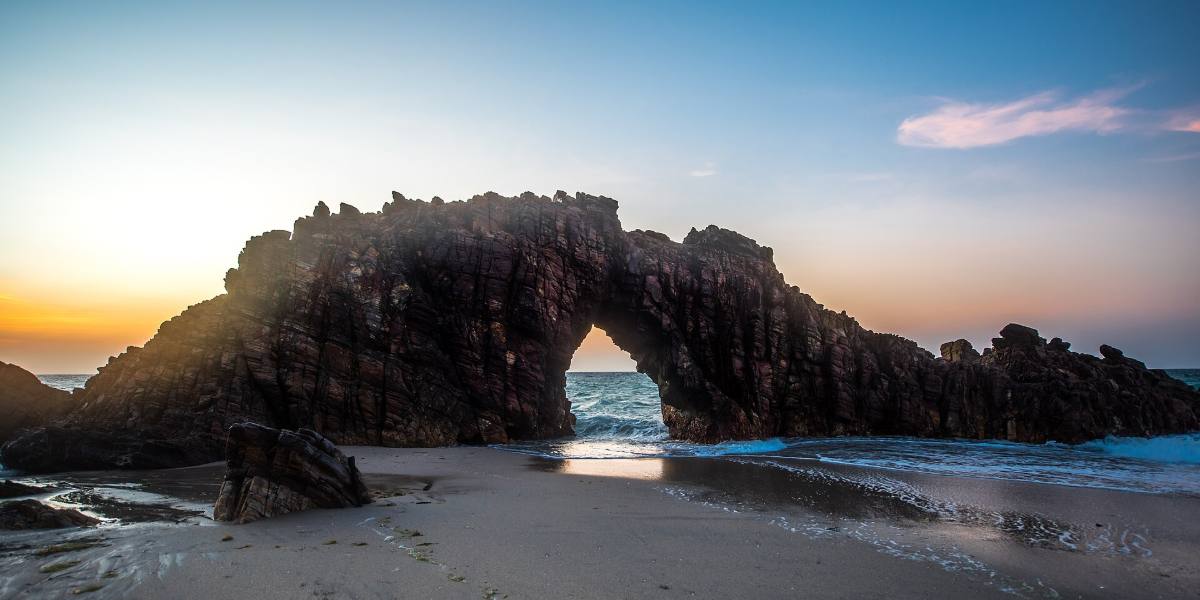
Pedra Furada. This natural rock arch is the symbol of Jericoacoara. You can reach it on foot along the beach in about 40 minutes, at low tide, or by buggy. Around July, the sun sets right inside the arch, a moment that attracts photographers from all over Brazil.
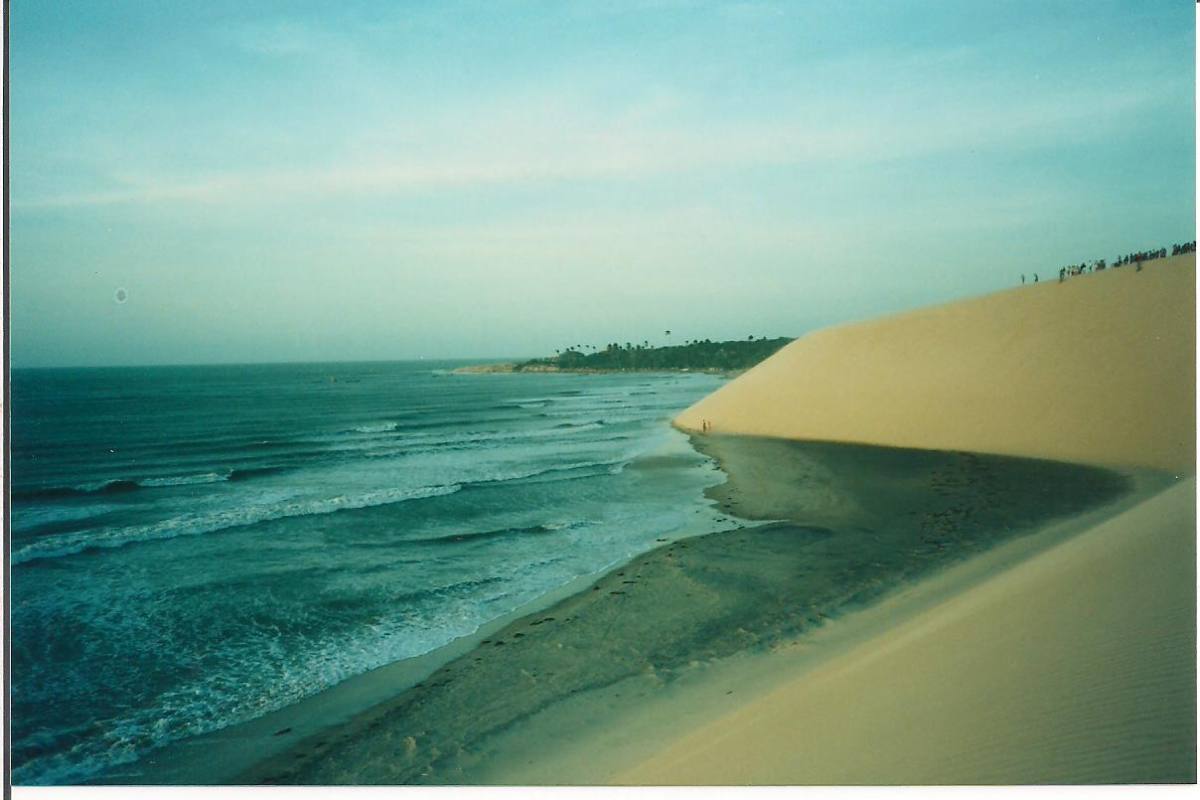
Duna do Pôr do Sol. Every evening, locals and visitors climb the Sunset Dune to watch the sun disappear into the ocean. Often there is capoeira on the beach below, and the day ends with applause for the sunset.
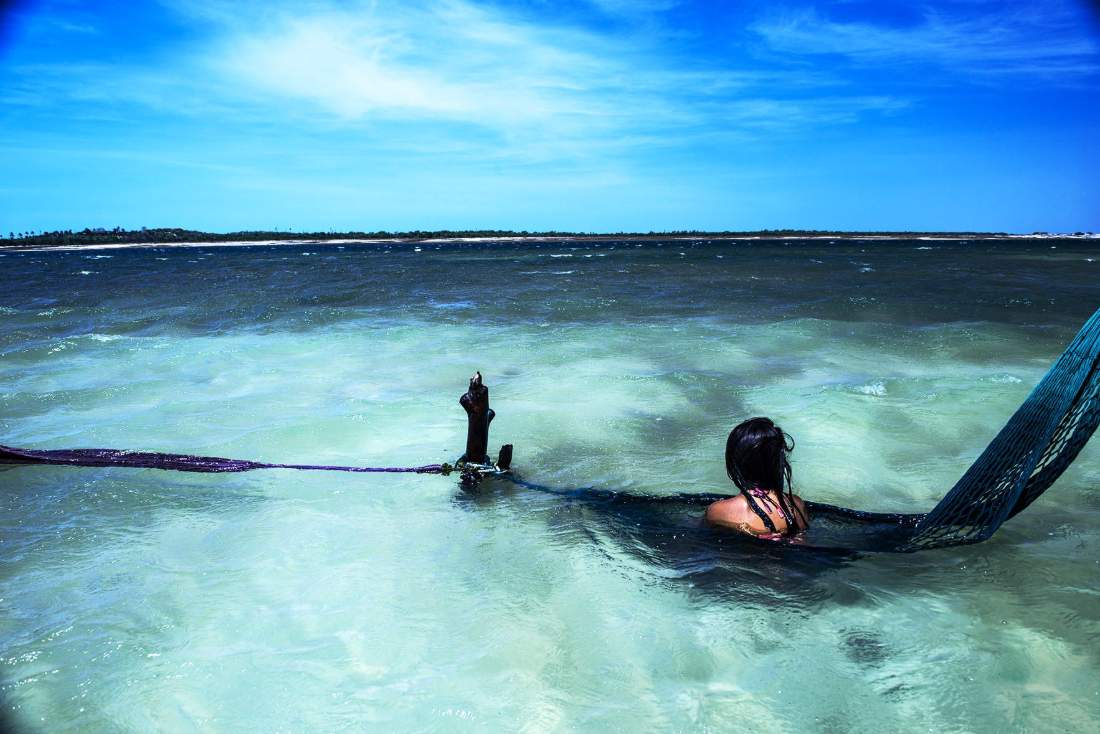
The lagoons. Near Jijoca, the Lagoa do Paraíso and Lagoa Azul are famous for their crystal-clear, turquoise water and the hammocks set right in the lagoon. Other classic outings include the Árvore da Preguiça (the “lazy tree” shaped by the wind), the mangroves of Mangue Seco and the dunes of Tatajuba.
Kitesurfing and windsurfing in Jeri
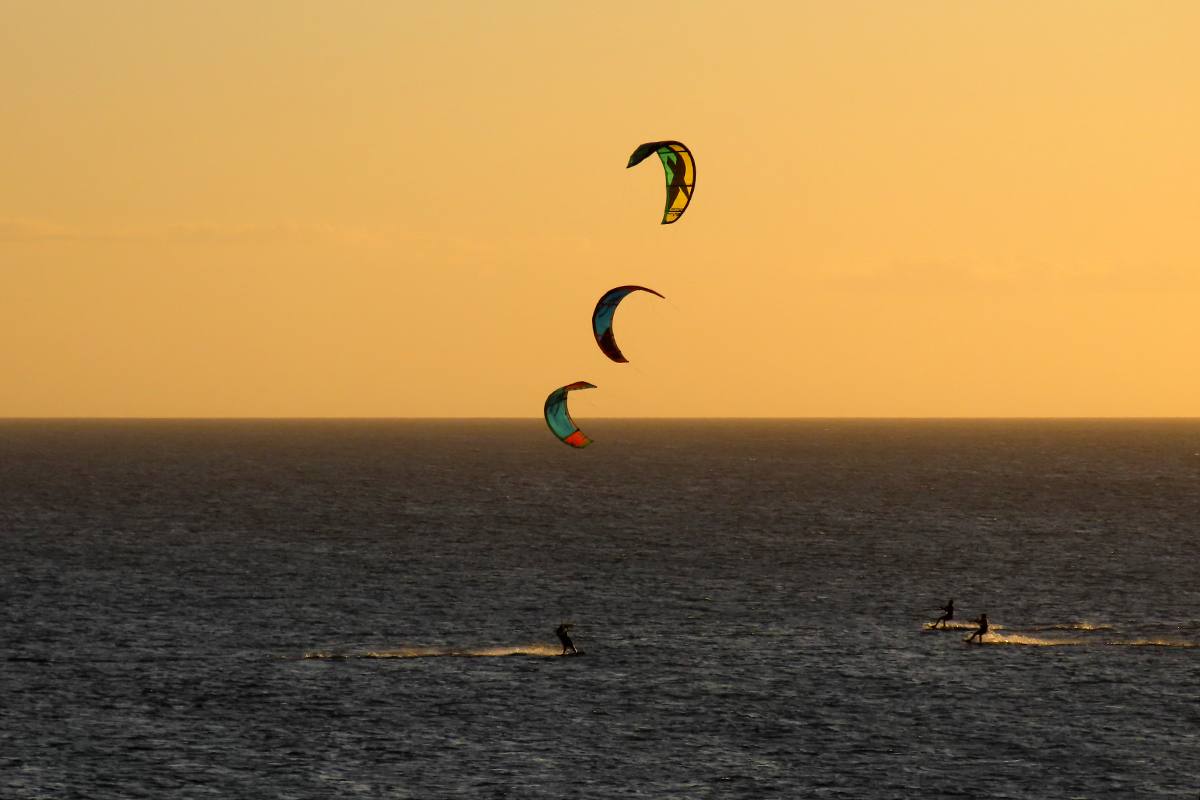
With steady trade winds, warm water and wide beaches, Jericoacoara is one of the world’s most famous spots for kitesurfing. Experienced riders head to Preá beach, a short drive away, while the lagoons offer flat water that is perfect for beginners. Several schools offer courses for all levels, so it is also a great place to try the sport for the first time. If you love wind and waves, read our selection of Brazil’s best beaches for surfing and kitesurfing.
Jericoacoara National Park: nature and visitor rules
Most of the area around the village is protected by Jericoacoara National Park, created to preserve its dunes, mangroves, beaches and rich birdlife. To keep it that way, visitors should follow a few simple rules: stay on marked routes with authorized vehicles, take all your waste with you, do not disturb the wildlife and respect the local community. Thanks to these rules, Jeri has managed to grow as a destination while keeping its natural beauty.
Jeri on the Route of Emotions: combining it with Lençóis Maranhenses and the Parnaíba Delta
Jericoacoara is the starting point (or the grand finale) of the Route of Emotions, a journey along the coast of Ceará, Piauí and Maranhão. From Jeri, you can continue to the Parnaíba Delta, with its rivers, islands and mangroves, and end in the Lençóis Maranhenses, where white dunes and rainwater lagoons create one of the most unique landscapes on the planet. Learn more in our article on Lençóis Maranhenses and the Route of Emotions, discover our Maranhão destination page and, if you love sand landscapes, see the best destinations in Brazil for sand tourism.
At BrazilGreenTravel, we design tailor-made trips to Brazil that combine Jericoacoara with the Route of Emotions, with private transfers, charming stays and local guides.
FAQ about Jericoacoara
How many days do you need in Jericoacoara?
Three to four days is ideal to enjoy the village, the sunset dune, Pedra Furada and a day trip to the lagoons. If you want to kitesurf, plan a week or more.
Can you visit Jericoacoara as a day trip from Fortaleza?
It is possible, but not recommended. The journey takes several hours each way, and Jeri is best enjoyed slowly, especially at sunset and in the evening.
Is Jericoacoara good for families?
Yes. The calm lagoons, buggy rides and relaxed atmosphere make it a great destination for families with children.
Jericoacoara is the kind of place that stays with you: the wind on your face, the sand under your feet and the sky turning orange over the dunes. Whether you go for the kite, the lagoons or simply to slow down, Jeri is one of the most special corners of Brazil.
Ready to plan your journey with BrazilGreenTravel?
Talk to us here. You can also reach us at ct@brazilgreentravel.com or +1 877 442 2935.
For more travel inspiration and behind-the-scenes moments across Brazil, follow BrazilGreenTravel on Instagram.
Photo credits: Rosanetur (CC BY 2.0), C. R. Malaquias (CC BY-SA 4.0), Helio Bastos Salmon (CC BY-SA 4.0) and Antônio Marcos Capobianco (CC BY-SA 4.0), via Wikimedia Commons.