

Brazil is known for its beaches, music and landscapes, but anyone who has traveled around the country knows that one of its greatest pleasures is much smaller: a warm coxinha at a bakery counter, a pastel fresh from the fryer at a street market, or a cheese skewer grilled on the sand. Brazilian snacks, known locally as salgados and petiscos, are part of everyday life, and each region has its own favorites. In this BrazilGreenTravel article, we share 15 traditional Brazilian snacks you should try, what they are made of and where to find the best ones.
Last updated: October 2026
Brazilian snacks at a glance
| Snack | What it is | Where to try it |
|---|---|---|
| Coxinha | Fried dough filled with shredded chicken | Bakeries and snack bars all over Brazil |
| Pão de queijo | Cheese bread made with cassava starch | Minas Gerais and any coffee shop |
| Pastel | Thin, crispy fried pastry with fillings | Street markets, especially in São Paulo |
| Acarajé | Black-eyed pea fritter filled with vatapá and shrimp | Salvador, Bahia |
| Bolinho de bacalhau | Salt cod and potato croquette | Botecos in Rio de Janeiro |
| Kibe | Fried bulgur and beef croquette | Snack bars and bakeries |
| Esfiha | Open or closed pastry with meat or cheese | São Paulo |
| Empada | Small savory pie | Bakeries and botecos |
| Queijo coalho | Grilled cheese on a stick | Beaches across the country |
| Tapioca | Cassava starch crepe with sweet or savory fillings | Northeast Brazil |
| Mandioca frita | Fried cassava sticks | Botecos |
| Brigadeiro | Chocolate and condensed milk truffle | Birthday parties and sweet shops |
| Paçoca | Crumbly peanut candy | Supermarkets and June festivals |
| Cocada | Coconut sweet | Beaches and markets in the Northeast |
| Pé de moleque | Peanut and raw sugar brittle | Markets and June festivals |
Salgados and petiscos: Brazil’s snack culture
In Brazil, snacking is a social habit. Salgados are savory bites, usually fried or baked, sold at bakeries (padarias) and snack bars (lanchonetes). They are also the stars of every birthday party, where trays of mini coxinhas and kibes are passed around. Petiscos, on the other hand, are the snacks shared at a boteco, the traditional neighborhood bar, usually with friends and a very cold beer.
Many of these recipes tell the story of the country. Some come from Portuguese cuisine, others from Arab, Japanese or African influences, and many use local ingredients such as cassava, coconut and peanuts. Trying them is one of the easiest and most delicious ways to understand Brazilian culture.
Savory Brazilian snacks you must try
1. Coxinha
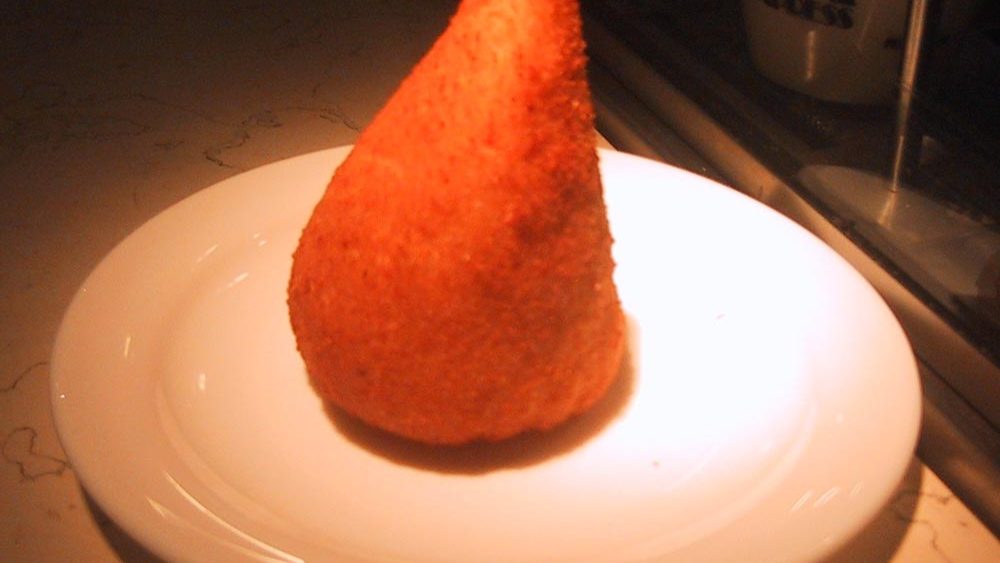
The coxinha is probably the most popular snack in Brazil. Its name means “little thigh”, because it is shaped like a chicken drumstick. The dough, made with flour and chicken broth, is filled with seasoned shredded chicken, often mixed with catupiry, a soft and creamy cheese. Then it is breaded and fried until golden. You will find coxinhas in almost every bakery and snack bar, and many Brazilians have strong opinions about which place makes the best one.
2. Pão de queijo
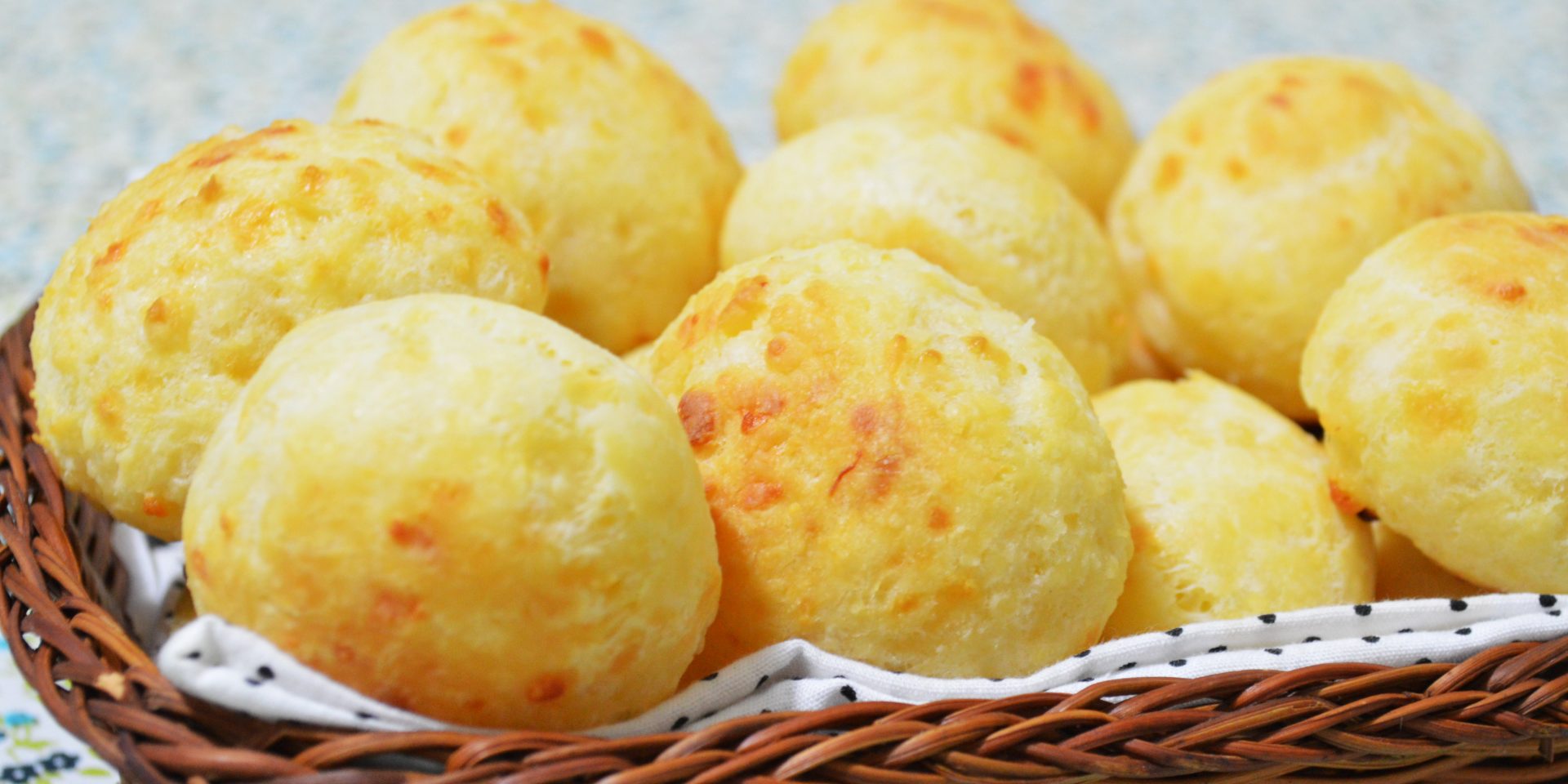
Originally from Minas Gerais, pão de queijo is a small cheese bread with a crispy outside and a soft, chewy inside. The secret is polvilho, a cassava starch that gives it its unique texture, mixed with cheese, eggs, milk and oil. Since it contains no wheat flour, pão de queijo is naturally gluten-free. Brazilians eat it at breakfast, with a cafezinho in the afternoon, or at any time of the day. If you travel to Minas Gerais, combine it with a visit to its historic towns, as we explain in our article on the colonial cities of Minas Gerais.
3. Pastel
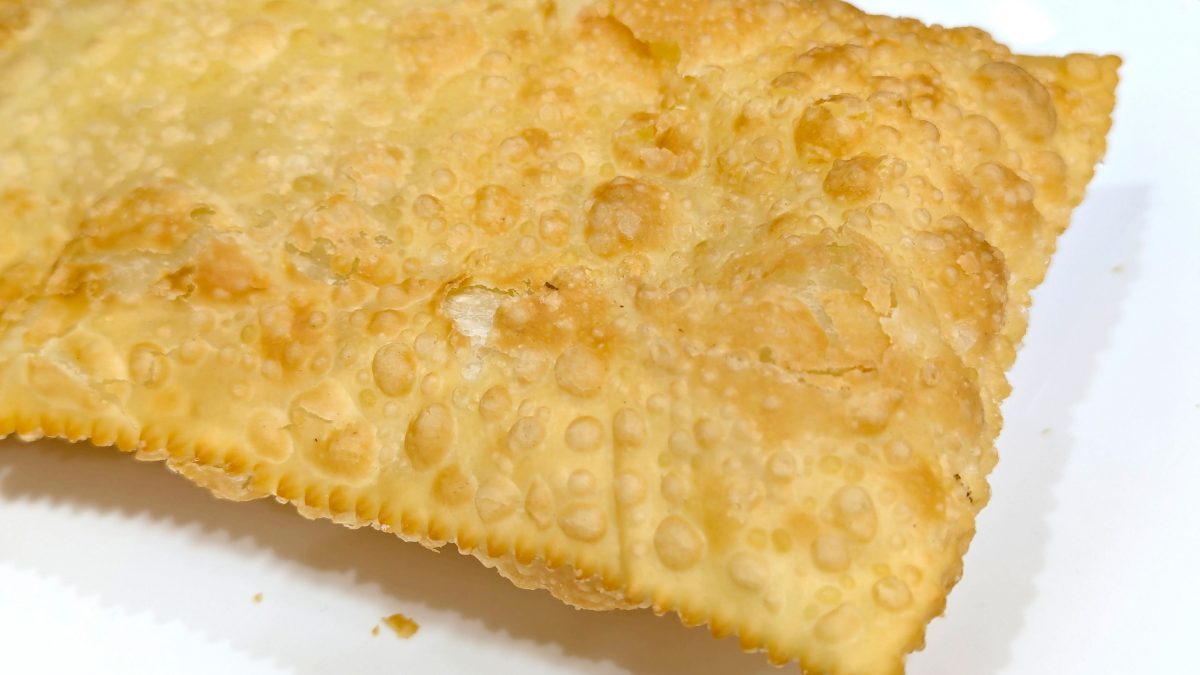
The pastel is a thin, rectangular pastry, deep-fried until it puffs up and becomes crispy. Popular fillings include ground beef, cheese, heart of palm, chicken with catupiry, and pizza-style tomato and cheese. The pastel is the king of the feiras livres, the open-air street markets, where it is traditionally paired with a glass of caldo de cana, fresh sugarcane juice. Its history in São Paulo is closely linked to Japanese and Chinese immigrant families, who popularized it at market stalls.
4. Acarajé
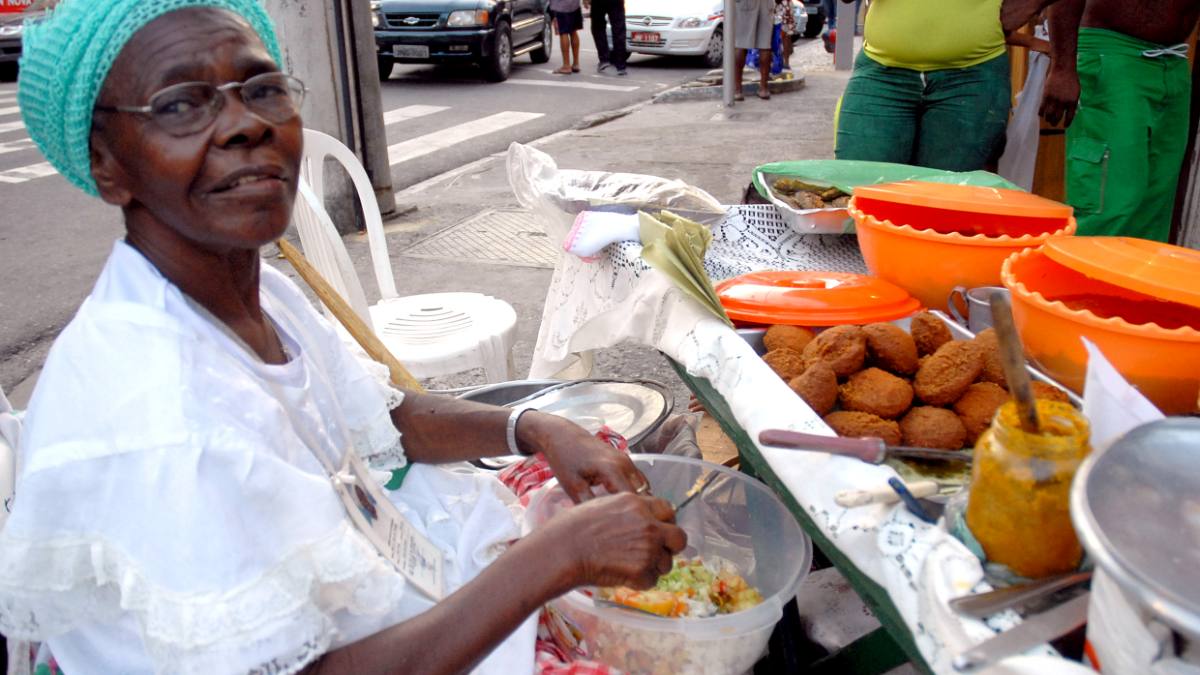
Acarajé is one of the most iconic traditional Brazilian snacks and a symbol of Bahia. It is made from a dough of black-eyed peas, onion and salt, fried in dendê (palm oil) and then split open and filled with vatapá (a creamy paste of bread, shrimp, peanuts and coconut milk), caruru (okra stew), dried shrimp, tomato salad and, if you dare, hot pepper.
Acarajé has deep roots in Afro-Brazilian culture and is sold by the baianas de acarajé, women dressed in traditional white clothes. Their craft was recognized as Brazilian Intangible Cultural Heritage in 2005. In Salvador, the Rio Vermelho neighborhood is home to some of the most famous stalls, such as Acarajé da Dinha and Acarajé da Cira. To learn more about this heritage, read our article on the African influence on Brazilian culture.
5. Bolinho de bacalhau
This salt cod croquette is a delicious inheritance from Portugal. The cod is shredded and mixed with mashed potatoes, onion, parsley and egg, shaped into small balls and fried until crispy outside and soft inside. It is a classic at Rio de Janeiro’s botecos, usually served with a few drops of lemon and a cold beer.
6. Kibe
Kibe (or quibe) arrived with Lebanese and Syrian immigrants and quickly became a Brazilian favorite. It is made with bulgur wheat, ground beef, onion and mint, shaped into an oval and fried. In Brazil, it is common to eat it with a squeeze of lemon, and you will find it next to the coxinha in almost every snack bar.
7. Esfiha
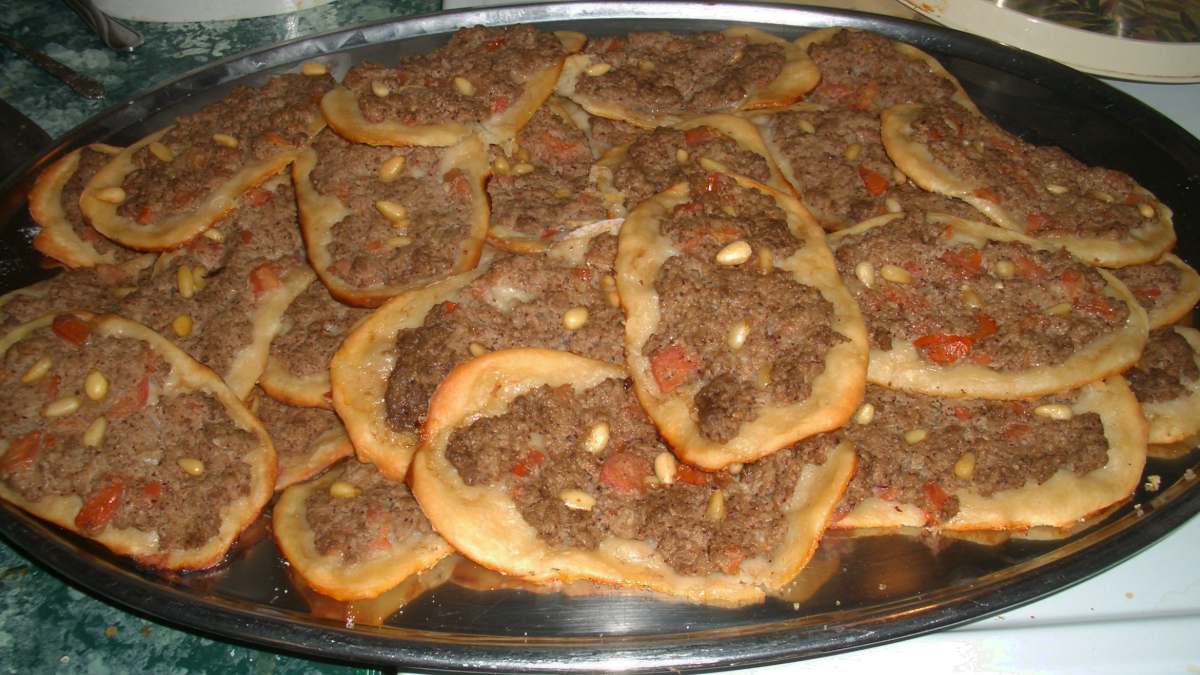
Another legacy of Arab immigration, the esfiha is a soft baked pastry that can be open, topped with seasoned ground beef, cheese or chicken, or closed in a triangle shape. It is especially popular in São Paulo, which has one of the largest Lebanese communities outside Lebanon.
8. Empada
The empada, or empadinha in its smaller version, is a little pie with a buttery, crumbly crust. The most common fillings are chicken, heart of palm and shrimp. It is a staple at bakeries and botecos, and a perfect snack to eat in two or three bites.
9. Queijo coalho
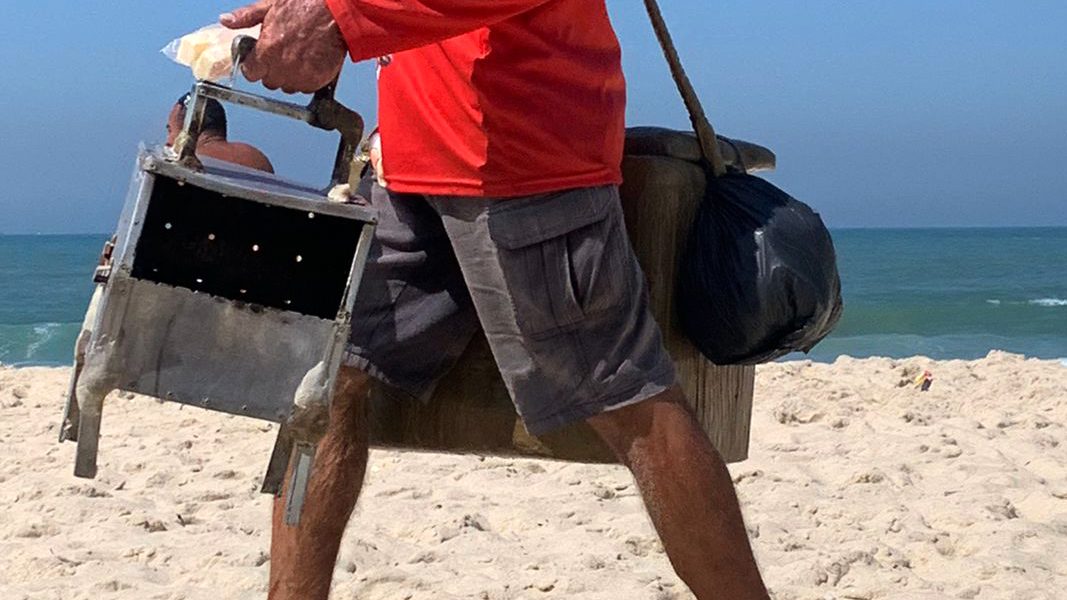
Few things say “Brazilian beach day” like queijo coalho. This firm cheese from the Northeast is skewered on a stick and grilled until golden by vendors who walk along the sand with small charcoal grills. It is often sprinkled with oregano or drizzled with sugarcane molasses, a sweet and salty combination that works surprisingly well.
10. Tapioca
Tapioca is a crepe made from hydrated cassava starch, cooked in a hot pan without any oil. It can be filled with sweet or savory ingredients, such as grated coconut, cheese, butter, ham or condensed milk. Very popular in the Northeast, it is a typical breakfast or afternoon snack, and like pão de queijo, it is naturally gluten-free. In Olinda, the tapioca stalls at Alto da Sé are a classic stop.
11. Mandioca frita
Fried cassava (also called aipim frito in Rio) is crunchy outside and creamy inside, a tropical answer to French fries. It is one of the most ordered petiscos at botecos and often comes to the table with a little bowl of grated cheese or spicy sauce.
Sweet Brazilian snacks and treats
12. Brigadeiro
No Brazilian birthday party is complete without brigadeiros. These small truffles are made with condensed milk, cocoa powder and butter, cooked until thick, rolled into balls and covered in chocolate sprinkles. Today, you will also find gourmet versions with pistachio, coconut or white chocolate.

13. Paçoca
Paçoca is a crumbly candy made with ground roasted peanuts, sugar and a pinch of salt. It is one of the stars of Festa Junina, the June festivals, and one of the most loved packaged Brazilian snacks. Learn more about these celebrations in our article on Brazilian cultural traditions you should know.
14. Cocada
Made with grated coconut and sugar, cocada can be soft and creamy or firm and chewy. It is sold on beaches and in markets across the Northeast, especially in Bahia, where you will find versions with passion fruit, peanuts or burnt sugar.
15. Pé de moleque
Pé de moleque is a rustic brittle made with roasted peanuts and rapadura, a raw cane sugar. Its crunchy texture and caramel flavor make it a favorite at June festivals and countryside markets.
Where to try the best Brazilian snacks
Part of the fun is knowing where to look. These are some of the best places to try snacks in Brazil:
- Bakeries and snack bars: padarias and lanchonetes are the easiest places to find coxinha, kibe, esfiha and empada, usually displayed in glass cases at the counter.
- Botecos: for bolinho de bacalhau, mandioca frita and other petiscos, head to a traditional boteco, especially in Rio de Janeiro.
- Street markets: the weekly feiras are the best place to eat a freshly fried pastel with caldo de cana.
- Municipal markets: São Paulo’s Mercado Municipal is famous for its pastel de bacalhau, and Belo Horizonte’s Mercado Central is a paradise of pão de queijo, local cheeses and cachaça.
- Beaches: queijo coalho, cocada and other snacks come to you on the sand.
- Salvador: for acarajé, look for the baianas in Rio Vermelho, Itapuã or the historic center. Discover more about the region in Why choose Bahia as a tourist destination.
If you want to go further, our Brazilian food tour guide explains what to eat in each region of the country.
Brazilian snacks to bring home
Many travelers want to take a taste of Brazil back home. Some of the most popular options, easy to find in supermarkets, are paçoca, goiabada (guava paste), doce de leite, Brazil nuts, packaged pão de queijo mix and, of course, a good bottle of cachaça. Before packing them, check your country’s customs rules for food products.
FAQ about Brazilian snacks
What is the most popular snack in Brazil?
The coxinha and pão de queijo are probably the two most popular Brazilian snacks. Both can be found all over the country, at any time of the day.
Are there gluten-free Brazilian snacks?
Yes. Pão de queijo and tapioca are made with cassava starch and are naturally gluten-free. Queijo coalho, brigadeiro, paçoca and cocada are also usually gluten-free, but it is always a good idea to ask, especially at bakeries.
What is the difference between salgados and petiscos?
Salgados are individual savory snacks, such as coxinha or kibe, sold at bakeries and served at parties. Petiscos are dishes to share at a bar, such as fried cassava or codfish croquettes.
What do Brazilians drink with their snacks?
It depends on the snack and the moment: caldo de cana with a pastel, a cafezinho with pão de queijo, guaraná soda with a coxinha, and a very cold beer with petiscos at a boteco.
Brazilian snacks are a delicious window into the country’s history, regions and daily life. From a coxinha at a bakery counter to an acarajé in Salvador, every bite tells a story. Trying them is a must on any journey through Brazil.
Ready to taste Brazil with BrazilGreenTravel?
Discover our Brazilian food tours or talk to us here to design a tailor-made trip. You can also reach us at ct@brazilgreentravel.com or +1 877 442 2935.
For more travel inspiration and behind-the-scenes moments across Brazil, follow BrazilGreenTravel on Instagram.
Photo credits via Wikimedia Commons: Murilo Manzini (CC BY-SA 4.0), Tom B. (public domain), Avelludo (CC BY-SA 4.0), Rodrigues Pozzebom / Agência Brasil (CC BY 3.0 BR), Bazel (public domain), Camyllarlbarros (CC BY-SA 4.0) and Mayra Maych (CC BY-SA 2.0).